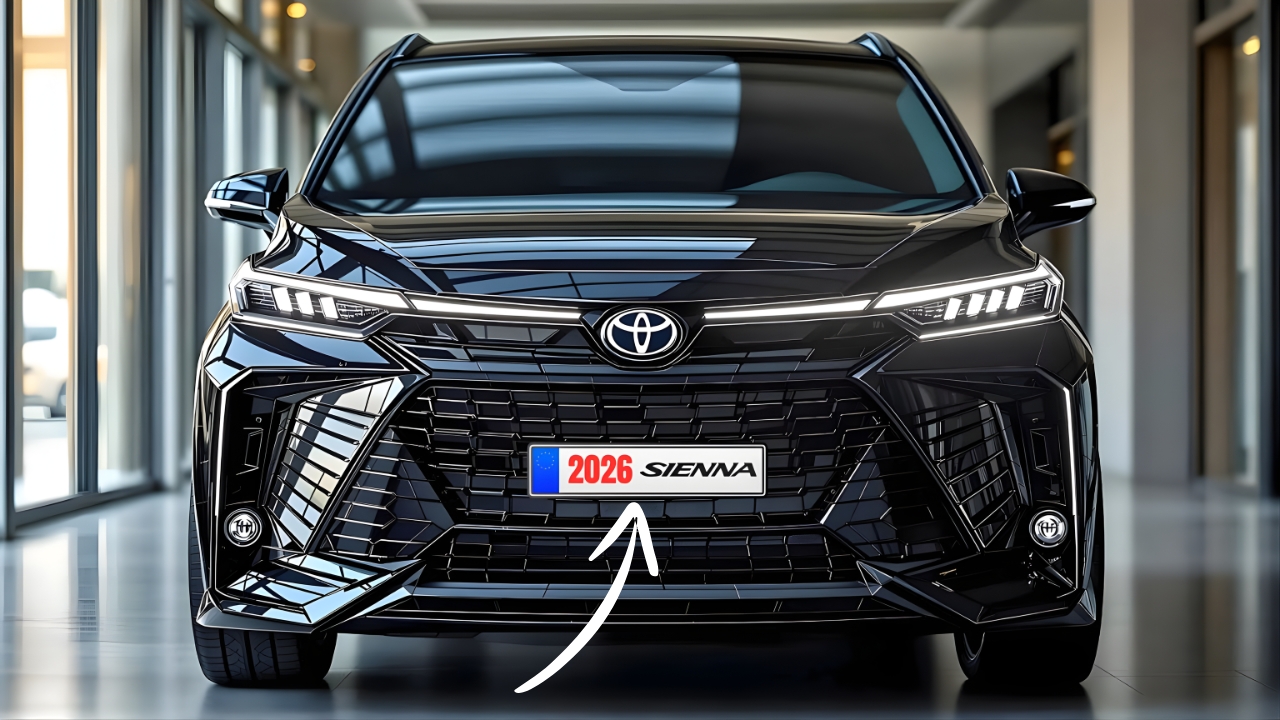
Toyota’s 2026 Sienna Hybrid brings smart upgrades to the family minivan game, making everyday drives smoother and more efficient without reinventing the wheel. It’s hitting dealerships now with fresh standard features that pack real value for busy parents.
Fresh Updates for 2026
Toyota rolled out the 2026 Sienna Hybrid with a focus on value, turning optional goodies into standards across trims. The base LE now rocks an 8-speaker audio setup, power rear door, rear window shades, power moonroof, and wiper de-icer – stuff that used to cost extra. XLE picks up black roof rails and standalone JBL audio options, while XSE steps up to a 12-speaker JBL system with subwoofer and amp. New Heavy Metal paint joins the palette on LE, XLE, XSE, Limited, and Platinum, and Woodland Edition adds Ice Cap as a color choice. These tweaks simplify shopping and boost appeal without jacking up the core design.
Powertrain That Delivers
At its heart, every 2026 Sienna packs Toyota’s proven hybrid system: a 2.5-litre four-cylinder petrol engine paired with electric motors for 245 total system horsepower. It routes through an eCVT for seamless shifts, with front-wheel drive standard and electronic on-demand AWD optional (standard on Woodland and Platinum). Fuel economy shines at a manufacturer-estimated 36 mpg combined for FWD (35 mpg AWD), making it the efficiency champ among minivans – real-world tests hit around 33 mpg on highways. Owners rave about the smooth stop-go traffic flow and restful highway cruises, ditching the lurchy feel of pure petrol vans.
Trim Lineup Breakdown
Six trims cater to every budget and vibe: LE starts sensible at about $41,615, XLE at $46,315 adds SofTex seats and moonroof, XSE at $49,540 brings sporty flair with 20-inch wheels. Woodland Edition ($52,395) gears up for adventures with AWD, all-terrain tyres, and higher ground clearance; Limited ($52,300) goes luxe with leather and captains’ chairs; Platinum tops at $59,005 with fridge, vacuum, and panoramic view monitor. All offer 7- or 8-passenger setups, but second-row seats don’t fold into the floor like some rivals – they’re fixed for safety but slide way back for legroom. Pricing rose a tad from 2025 (LE up $635 or so), but the extras justify it.
Cabin Built for Chaos
Slide into the Sienna’s interior, and it’s like a rolling lounge tailored for family mayhem. Up to eight seats with heaps of legroom, 18 cupholders, and a massive centre console that swallows snacks and gadgets. Higher trims flaunt leather, heated/ventilated seats, ottomans on Platinum, and ambient lighting; even LE feels premium with fabric that’s easy to wipe down. Tech-wise, expect wireless Apple CarPlay/Android Auto, digital cluster, and optional rear entertainment screens – plus family hacks like the built-in vacuum and FridgeBox on top trims. Storage nooks everywhere keep toys and tablets from turning the floor into a landfill, and the panoramic roof floods the space with light.
Also Read: 2026 Plymouth Duster Hybrid Unveiled: Retro Style, 450bhp Punch, MPG That Won’t Bleed Your Wallet
Safety and Driver Aids
No skimping on protection here – every Sienna gets Toyota Safety Sense 2.0 or 3.0 (depending on source), packing pre-collision braking with pedestrian/cyclist detection, lane tracing, adaptive cruise, blind-spot monitoring, and rear cross-traffic alert. Ten airbags, rear parking sensors, and optional 360-degree camera make tight spots a breeze. It aces crash tests from NHTSA and IIHS, with owners noting the alerts feel helpful, not nagging, after a quick adjustment period. In a world of distracted driving, these features give parents real peace of mind on school runs or road trips.
On the Road Impressions
Fire up the 2026 Sienna, and the hybrid whispers into motion – electric torque fills low-speed gaps for silky city pulls, while the petrol kicks in smoothly on ramps. Handling feels planted for a minivan, especially AWD models gripping wet roads, though it’s no sports car. Braking takes getting used to (regenerative feels grabby at first), but highway poise shines with quiet cabin and 590-mile range potential. Reviewers clock 27-33 mpg mixed driving, trouncing V6 rivals like Odyssey (22 mpg) or Carnival. It’s restful for long hauls, with minimal engine drone once you’re rolling.
Stacks Up Against Rivals
Why pick Sienna over Kia Carnival Hybrid (near-matching mpg but thirstier V6 base), Honda Odyssey (funner drive, worse efficiency), or Pacifica PHEV (electric range but pricier upkeep)? Toyota’s reliability edge and class-leading hybrid mpg seal it for cost-conscious families – plus AWD without drama. Carnival feels plusher in spots, Odyssey nimbler, but Sienna nails the efficiency/reliability sweet spot. Early owners swapping from older Siennas love the mileage jump and tech polish.
Why Families Are Buzzing
The 2026 Sienna Hybrid isn’t flashy, but it nails what matters: hauling crew and gear without guzzling fuel or drama. With sales heating up post-January launch, it’s proving minivans aren’t dead – they’re just smarter. Whether school runs, weekends away, or grocery hauls, this van turns chores into cruises. Toyota’s tweaks keep it fresh amid SUV hype, blending practicality with subtle luxury that lasts.
Also Read: 2026 Mitsubishi Triton Specs: 470Nm Torque, 10-Year Warranty Revealed
When does the 2026 Toyota Sienna Hybrid go on sale?
It hit US dealerships in January 2026, with full availability now.
What’s the fuel economy like?
Up to 36 mpg combined for FWD, 35 mpg for AWD – best in class.
How much does the base model cost?
LE trim starts around $41,615 before destination fees.
Is all-wheel drive available?
Yes, optional on most trims for $2,000 extra; standard on Woodland and Platinum.
Also Read: Research Says True Happiness After 70 Comes From Something We Rarely Talk About
What safety features are standard?
Toyota Safety Sense suite with emergency braking, lane assist, blind-spot monitoring, and more.
Can the seats fold flat for cargo?
Second row slides far but doesn’t remove or stow fully; third row folds easily.